

Title: Free Solar Power in Australia: A Brilliant Idea, or Just Brilliant PR?
Okay, so Australia's promising free solar power for households, even if they don't have panels. Sounds utopian, right? Climate change solved by…giving away free electricity? As a data guy, I immediately reach for the calculator. Let's dissect this.
The Devil's in the Default Market Offer
The core of the plan revolves around the "default market offer" (DMO), which is essentially a price cap on electricity retailers. The government is tweaking this DMO to mandate at least three hours of free solar power daily in New South Wales, south-east Queensland, and South Australia, starting July next year. Other states might follow in 2027. The idea is to shift electricity demand from peak evening hours to the sunniest part of the day, when solar generation is abundant.
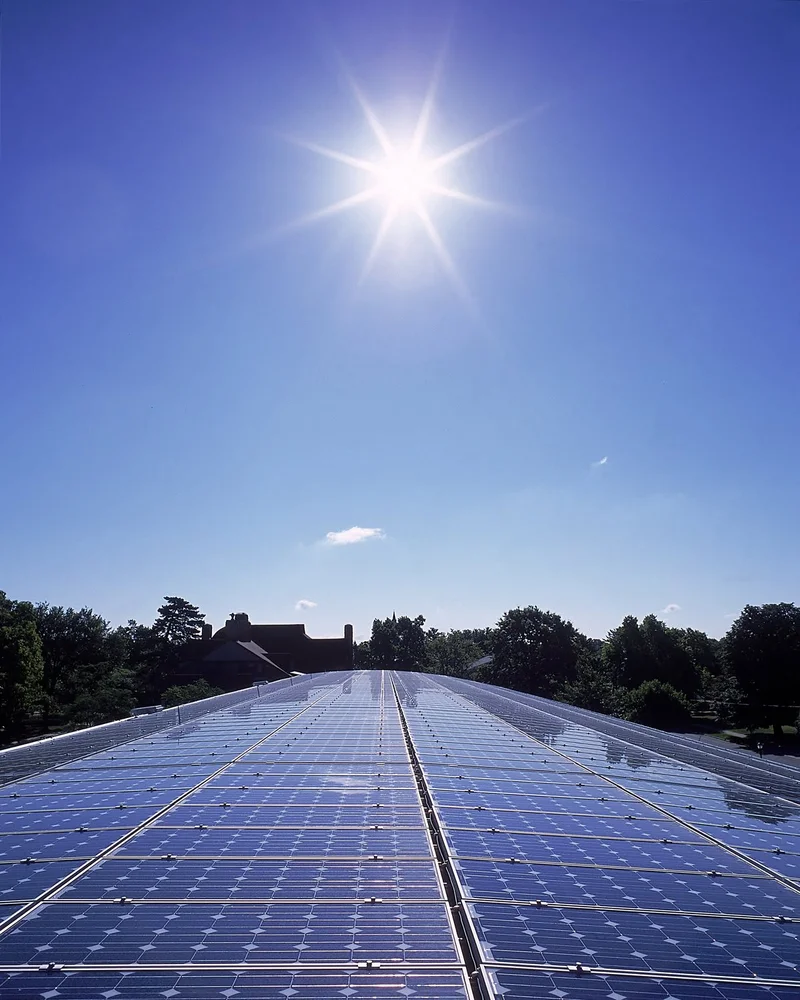
The rationale is sound: Australia has a ton of solar capacity—over 4 million systems installed. During the day, there's often excess solar generation that goes to waste. By incentivizing people to run their washing machines, charge their EVs, and crank up the AC during these hours, the government hopes to smooth out the demand curve and reduce the need for expensive grid upgrades.
But here's where the skepticism kicks in. The government claims this will benefit everyone, whether they have solar panels or not, and whether they rent or own. Climate Change and Energy Minister Chris Bowen even said it’s “proof that what’s good for the planet is good for your pocket.”
Is it, though?
The Unavoidable Question of Fairness
The Australian Energy Council, representing generators and retailers, isn't thrilled. They claim a lack of consultation and warn of “unintended consequences,” including businesses potentially exiting the market. They've got a point. This smacks of regulatory overreach.
Let’s consider a household that can't shift their electricity usage. Maybe they work during the day, or they have medical equipment that needs to run constantly, regardless of the time of day. Are they subsidizing the free power for those who can shift their usage? Details on how the Australian Energy Regulator will ensure households "get a fair deal" outside the free power period remain vague, to say the least.
This isn't just about fairness; it’s about economics. If retailers are forced to offer free power during certain hours, they'll inevitably recoup those costs elsewhere. Expect to see higher prices during peak hours, or hidden fees tacked onto bills. It’s basic cost-shifting (a maneuver I saw plenty of in my hedge fund days).
And here’s the part of the analysis that I find genuinely puzzling: The government is patting itself on the back for innovation, but some retailers (AGL and Red Energy, for instance) already offer free solar periods. So, what’s really changing? Is this about expanding access, or simply nationalizing an existing market practice for political points? The Smart Energy Council calls it "good news," but their members are solar installers, so their enthusiasm is hardly unbiased. News outlets confirm that Australians to get at least three hours a day of free solar power - even if they don’t have solar panels, even without owning solar panels.
This whole thing reminds me of a company promising "unlimited data" on your phone plan. Sure, the headline sounds great, but then you read the fine print: throttling after a certain amount, restrictions on video streaming, and hidden fees for exceeding "reasonable use." The "free solar power" promise risks becoming the same kind of marketing mirage.
The Anecdotal Data Set: What Are People Saying?
Online discussions reveal a mix of cautious optimism and outright cynicism. Many people are asking the same questions I am: What's the catch? How will this affect my bill? Is this just a gimmick to distract from rising electricity prices (increases that critics, erroneously or not, link to the rise of renewables)?
One commenter on an energy forum put it bluntly: "If it sounds too good to be true, it probably is." Another pointed out that households with older, non-smart meters won't even be eligible. It's anecdotal, sure, but it reflects a deep-seated skepticism about government promises, especially when it comes to complex issues like energy policy.
It's a Politically Motivated Patch, Not a Solution
I'm not saying the plan is inherently bad. Shifting demand to off-peak hours is a smart move. But the "free solar power" framing is misleading. It oversimplifies a complex problem and creates unrealistic expectations. It's a PR win masquerading as a policy breakthrough. And in the long run, it may do more to erode public trust than to solve Australia's energy challenges.