The Price of Indifference: A Data-Driven Look at Sudan
The fall of el-Fasher, the capital of North Darfur, to the Rapid Support Forces (RSF) has been met with the now-familiar chorus of international condemnation. The UN Security Council expresses "grave concern," the EU pledges "restrictive measures," and talking heads decry the violence. But as Kholood Khair of Confluence Advisory points out, this all amounts to very little in the face of what appears to be a rapidly escalating humanitarian crisis.
The problem isn't the lack of awareness; it's the apparent lack of consequence for those perpetrating the violence. We're told the death toll is in the "thousands" (a disturbingly vague number), but what's the actual cost-benefit analysis for the actors on the ground? Are the potential gains from controlling el-Fasher worth the risk of facing meaningful repercussions?
The UAE's Role: A Question of Incentives
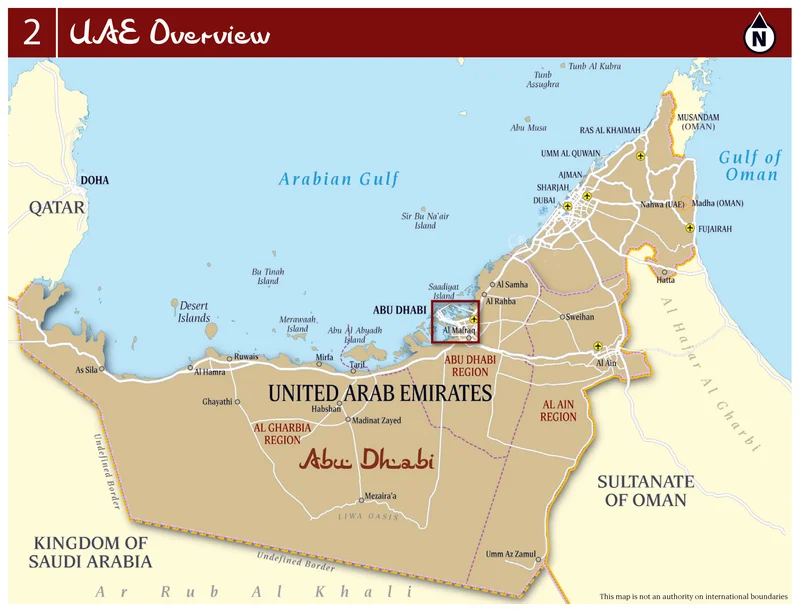
The article points a finger at the UAE's "shady role." What does that actually mean in concrete terms? Is it financial support? Arms shipments? (We need specifics, not vague accusations.) If the UAE is indeed backing the RSF, then we need to understand their calculus. What are they getting out of it, and how does that compare to the potential cost of international sanctions or reputational damage?
Here's where the data gets murky. We don't have a clear, quantifiable picture of the UAE's involvement or the RSF's financial structure. This lack of transparency makes it difficult to assess the effectiveness of any potential "restrictive measures." Are we talking about freezing assets? Imposing travel bans? These measures only work if we know who to target and what assets to freeze.
I've looked at hundreds of these geopolitical analyses, and this lack of concrete financial data is a recurring theme. It's as if we're trying to diagnose a disease without knowing the patient's blood type.
The West's "Culpable Indifference": A Matter of Priorities
The article accuses Western nations of "culpable indifference." Again, let's break this down. Indifference isn't necessarily a lack of caring; it can be a matter of prioritizing competing interests. Western nations face a complex web of geopolitical challenges, from the war in Ukraine to rising tensions in the South China Sea. Sudan, unfortunately, may simply not be at the top of the list.
But is that a morally justifiable position? That's a question for ethicists, not data analysts. What I can say is that the West's response to the crisis in Sudan appears to be disproportionately small compared to its response to other conflicts. Is this discrepancy due to a lack of strategic interest, a lack of public pressure, or something else entirely? Details on why the decision was made remain scarce, but the impact is clear.
The EU's pledge to use "all our diplomatic tools" sounds impressive, but what does it actually mean in practice? Are they willing to risk alienating the UAE, a key partner in counter-terrorism efforts, by imposing sanctions? Are they prepared to commit significant resources to humanitarian aid and conflict resolution? These are tough questions with no easy answers.
Condemnation Without Consequence: A Failed Strategy
The international community's response to the crisis in Sudan feels like rearranging deck chairs on the Titanic. We issue strongly worded statements, express our "grave concern," and then... what? The killings continue, the humanitarian situation deteriorates, and the cycle of violence perpetuates itself.
The problem isn't a lack of information (though more data is always welcome). The problem is a lack of leverage. We need to find ways to make the cost of violence higher than the potential benefits for all actors involved. That requires a combination of targeted sanctions, diplomatic pressure, and, perhaps most importantly, a willingness to back up our words with action.
So, What's the Real Story?
"Culpable indifference" is a harsh judgment, but in this case, it seems warranted. The international community's response to the crisis in Sudan has been woefully inadequate, and the consequences are being borne by the Sudanese people. Until we find a way to translate condemnation into concrete action, the violence will continue.