
The Day the News Became a Crystal Ball
Okay, folks, buckle up, because today we're not just talking about the news; we're talking about peering into the future. Seriously! Look at the frenzy: "dow jones stock markets futures," "bitcoin price," "next gen xbox console"—it's like the world is holding its breath, waiting for the next big thing. But what if I told you the "big thing" isn't just one event, but a whole new way of seeing the world?
Decoding the Present, Predicting Tomorrow
Think about it: all those trending searches, from "winter weather warnings" and "nor easter weather forecast" to "philippines earthquake tsunami warning," they're not just about what is happening, but what might happen. The collective consciousness is actively trying to anticipate the future! It's like we're all amateur futurists now, constantly scanning the horizon for clues. And the sheer volume of data—economic anxieties reflected in "dow jones today" and "major candy company files chapter 11," technological anticipation with "meta layoffs ai" and "next gen xbox console"—it's overwhelming, right? But what if we could harness all of it?
Imagine a system that doesn't just report the news but interprets it, not just for the present, but for the possible futures it implies. We're talking about a newsfeed that doesn't just tell you about the "tennessee tnt plant explosion" but anticipates the potential ripple effects on the local economy and infrastructure. It's like having a crystal ball, but instead of mystical mumbo jumbo, it's powered by the collective intelligence of the internet.
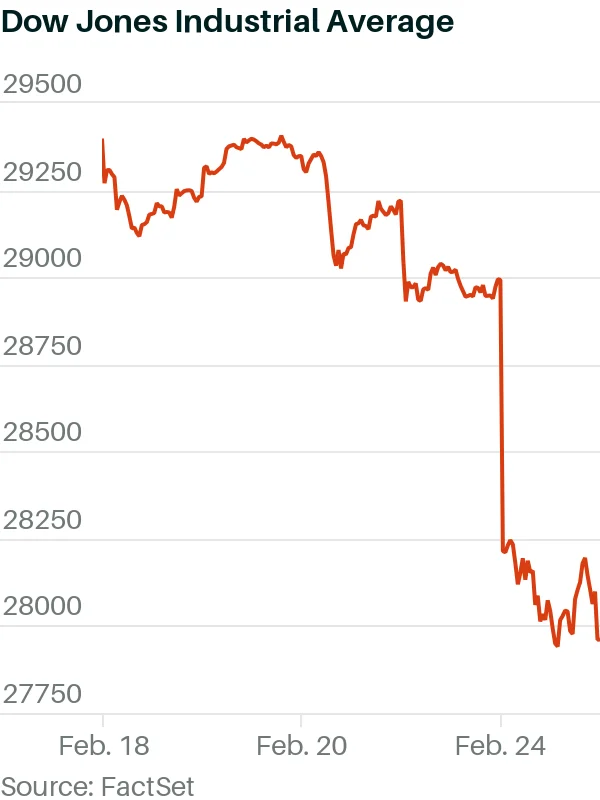
And it’s not just about avoiding disasters. What if we could use this predictive power for good? Imagine anticipating shifts in consumer behavior based on searches like "recalled pasta meals listeria" and "toyota lexus century brands," allowing businesses to adapt and thrive? Or using the buzz around "aurora borealis geomagnetic storm" not just for pretty pictures, but to anticipate potential disruptions to satellite communications? The possibilities are… well, they're breathtaking. I mean, when I first realized this potential, I actually had to step away from my computer for a minute. It’s the kind of thing that reminds you why you got into this field in the first place.
Now, I know what you're thinking: "Dr. Thorne, that sounds like science fiction!" But is it, really? We already have AI algorithms that can predict consumer behavior, identify potential disease outbreaks, and even forecast stock market fluctuations. It’s not about replacing human intuition, but augmenting it with the power of data. It's like the printing press all over again—a new technology that democratizes information and empowers individuals to make more informed decisions. What this means for us is a more proactive, resilient, and adaptable society, but more importantly, what could it mean for you?
Of course, with great power comes great responsibility. We need to be mindful of the ethical implications of predictive journalism. Who gets to decide what futures are worth exploring? How do we prevent biased algorithms from reinforcing existing inequalities? These are crucial questions that we need to address as we move forward. But I truly believe that the potential benefits far outweigh the risks.
The Dawn of Anticipatory Awareness
So, what's the real story? The news isn't just about the past or the present anymore. It's a window into the future, a tool for anticipating change, and a catalyst for creating a better world. The speed of this is just staggering—it means the gap between today and tomorrow is closing faster than we can even comprehend. It’s not just about reading headlines; it's about reading the tea leaves of the internet and understanding what they tell us about the world to come. The future is not something that happens to us; it's something we create, one search query, one news article, one insightful analysis at a time.